
Sound Recording
Capturing sound well enough that the mix becomes a choice rather than a rescue operation.
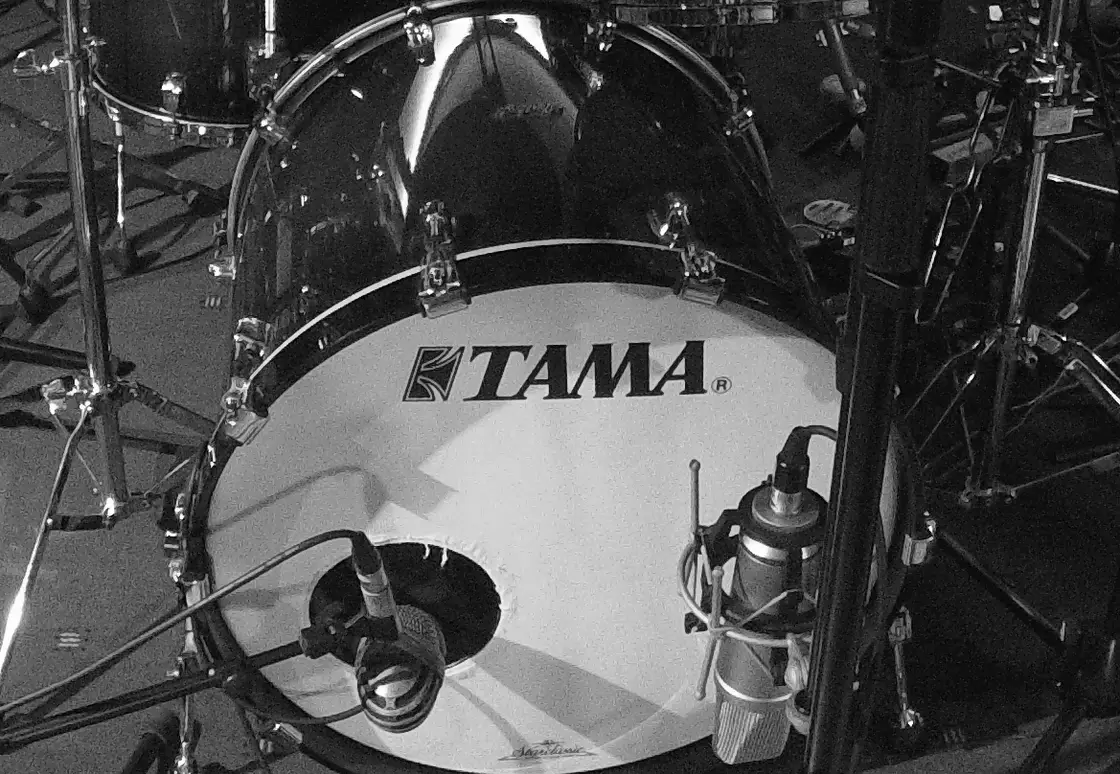
Recording is where the largest gains are available. A well-captured source needs little help later; a poorly captured one cannot be fully repaired, whatever the plug-in manufacturers imply.
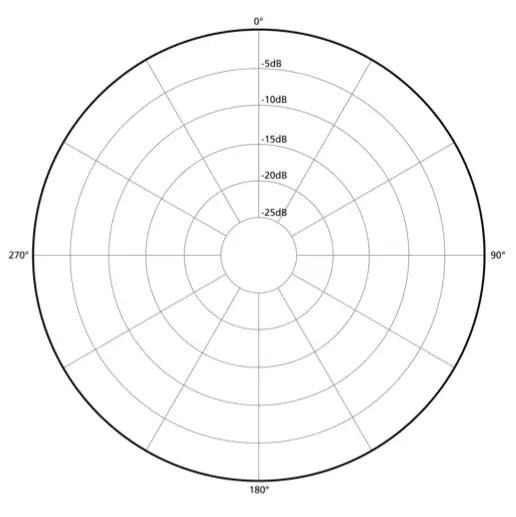
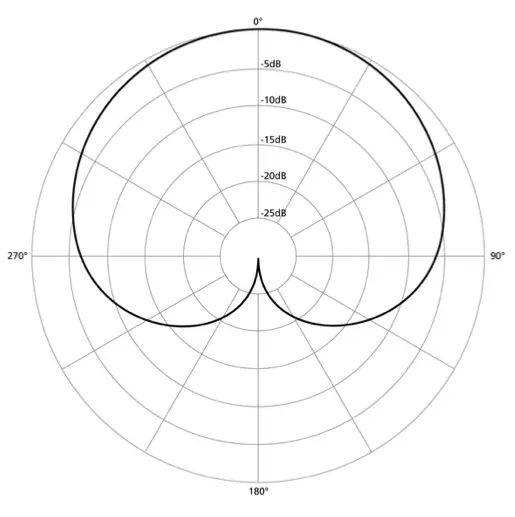
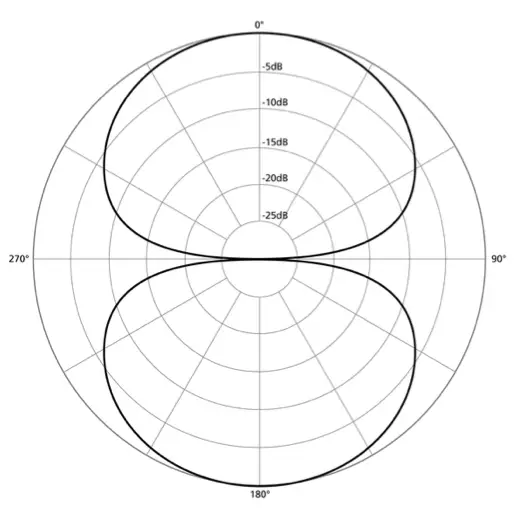
The module works through microphones as tools with measurable behaviour. A polar pattern is not a marketing feature — it tells you what the microphone will reject, which is usually more important than what it will pick up.
Multi-microphone work is treated carefully, because it is where most avoidable damage happens. Two microphones on one source can sound better than either alone, or considerably worse, and the difference is a matter of distance and phase rather than taste.
Curriculum
Microphones
- Dynamic, condenser and ribbon designs
- Polar patterns and what they reject
- Proximity effect and off-axis behaviour
- Choosing a microphone for a source, not by reputation
Recording systems
- Preamps and their audible character
- Interfaces, converters and I/O planning
- Cabling, phantom power and pad/filter switches
- Monitoring and talkback during a take
Studio recording
- Microphone placement and distance
- Multi-microphone setups and phase coherence
- Working with a performer during a session
- Take management and notes
Multichannel workflows
- Planning a session with many simultaneous inputs
- Drum and ensemble setups
- Stereo techniques and their trade-offs
- Session organisation for a large track count
Live and concert recording
- Splitting from a live console
- Working with limited setup time
- Ambience and audience microphones
- What can and cannot be fixed afterwards
What you will be able to do
- Choose and place microphones with a reason you can articulate.
- Set up a multi-microphone session that stays phase-coherent.
- Plan and run a session with many inputs without losing track of it.
- Record in a live situation where there is no second attempt.
Curriculum
Practical components
This module carries the most studio time. You set up, record and immediately listen back, then change one variable at a time to hear what it did.